Mercury fillings are a dangerous neuro-toxin that should never be used in anyone’s mouth. I do not understand why our medical system continues to allow and endorse the use of this horribly toxic substance, and in our teeth of all places, next to our brains! Sadly, it is about corporate profit as so many things are.
I have my own personal experience of mercury poisoning from fillings. A few years ago, I was becoming quite ill, ultimately realizing that I was feeling Iike I was being poisoned. Having been a healthy person my whole life, eating well, exercising, and always studying health and nutrition, I knew something else was seriously affecting me. I researched this on my own, and was led to much information on the dangers of mercury fillings. When I found this video on You Tube, it was the evidence I needed to commit to getting all my 30-year-old silver fillings removed. There was no biological dentist in my area, but I ask my dentist if he would learn the protocol to safely remove them, and to his credit he did learn and he did a good job, even though he had previously told me not to worry about them.
I want to spread the word so that others who may be unknowingly suffering from mercury poisoning, can become informed. At the time I was doing my research, I didn’t know about Dr. Mercola but I now know he is vehemently opposed to mercury fillings and has great information on his site. I recommend you check it out if you or anyone you know has these dangerous fillings. His link is at the bottom of this post. You also need to know that mercury is still included in many vaccines that are injected into our precious children. It is called thimerosal or brand name Merthiolate. Ask your doctor if they are in vaccines you are giving your child. No amount of mercury is safe injected into a small child, in the opinion of many, including myself. You have the choice in these matters!
What can we do to stop mercury from being used in humans, and especially our children?
First I recommend you watch this short and powerful video and you will see the vapors that are emitted constantly from silver fillings, and how this mercury lodges throughout the body, and especially in vital organs.
Second, if you are of a mind to want to put an end to the use of this poison, you can help by writing a letter. This is Dr. Merola’s recommendation: “Please write the FDA Director of the Division of Dental Devices, Anthony Watson, at: anthony.watson@fda.hhs.gov
Tell Mr. Watson of the FDA:
• Since the FDA’s own panel of scientists advises that amalgam should “definitely not” be implanted in children, pregnant women, and hypersensitive people, how soon will you take action to protect these vulnerable populations from this toxin?
• Since the FDA has a duty to tell consumers that amalgam contains mercury that can damage the neurological systems of unborn babies, children, and hypersensitive populations, when does FDA intend to clearly state this warning on its consumer website and in consumer labeling?
• Since Commissioner Hamburg claims FDA is committed to transparency, how does FDA plan to keep the public updated on its progress with regard to the amalgam issue?
Don't sit this one out. With your help we can get the FDA to finally admit to the public what scientists have known for a long time – mercury fillings are a public health and an environmental hazard, and should not ever be allowed in the bodies of pregnant women or in children!
The time to act is now!
Together we can make a lasting change and help protect pregnant women and children, along with the health of our next generation.”
The full article and others can be found here:
The Smoking Time Bomb Sitting Next to Your Brain - Has Its Moment Finally Arrived?
If you want to talk with me about my experiences, post a message on this blog or through my website. I will get back with you. Thanks for your support in spreading the word.
If you want to learn more, read the full article here:

Dedicated to supporting you on your journey with only the best, and none of the rest - real nourishment for your body, mind and spirit.
Sunday, January 30, 2011


Sunday, January 9, 2011
Quinoa Salad
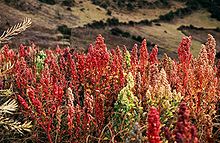
Quinoa (pronounced KEEN-wah) is becoming a popular grain in America these days, and rightly so. It has the highest nutritional profile and cooks the fastest of all grains.
It is an extremely high-energy grain and has been grown and consumed for about 8,000 years on the high plains of the Andes Mountains in South America. The Incas were able to run such long distances at such a high altitude because of this powerful grain. According to Wikipedia, the Incas, who held the crop to be sacred, referred to quinoa as chisaya mama or 'mother of all grains', and it was the Inca emperor who would traditionally sow the first seeds of the season using 'golden implements'.
Quinoa is gluten-free and easy to digest. It contains all eight amino acids to make it a complete protein. It strengthens the kidneys, heart, and lungs. It is high in B vitamins, iron, zinc, potassium, calcium and vitamin E.
I often cook a pot of it on Sunday and will have it for breakfasts or lunches during the week. For breakfast, just reheat in a little nut milk and add nuts, cinnamon, and honey. For lunch, drizzle on a little olive oil and sea salt, then add whatever chopped veggies you like. My favorites are avocado and tomatoes. I have really grown to love the flavor, nutrition, and versatility of this super grain.
Here is a simple and tasty salad recipe with cooked quinoa.

3 cups cooked Quinoa
1/4 cup lime juice
1/2 cup olive oil
1/2 cup parsley, chopped
1/4 cup chopped onion or scallion
1 tomato, chopped
Few olives, thinly sliced
Sea Salt
Combine all ingredients in a bowl and serve at room temperature.


Monday, January 3, 2011
eXcited About Xylitol
Why are we not hearing more about Xylitol? It has tremendous dental benefits, including preventing tooth decay and plaque buildup, and repairing enamel damage. I have been using toothpaste with xylitol for a few years, but I truly didn't know it was this significantly beneficial until I did some research. In addition to dental benefits, it also heals and repairs the body, unlike sugar which causes problems in the body. It also builds immunity, protects against chronic disease, and has anti-aging benefits.
Here are some excerpts from a great site I found while researching. For the full story, however, I recommend checking out the site at www.xylitol.org. There is a page of great articles here and a page with product recommendations here.
 Tooth decay happens when bacteria in your mouth consume the sugars we eat. When you eat food containing ordinary sugar (sucrose), it gives bacteria on your teeth energy, allowing them to multiply and start making acids that can eat away the enamel on the teeth. This "acid attack" causes tooth decay and cavities to begin to form.
Xylitol is a natural sweetener derived from the fibrous parts of plants. It does not break down like sugar and can help keep a neutral pH level in the mouth. Xylitol also prevents bacteria from sticking to the teeth. This is how it protects the teeth from tooth decay. With Xylitol, the acid attack that would otherwise last for over half an hour is stopped. Most people are not aware of this benefit because such a claim makes xylitol into a drug, crossing a boundary not allowed by the Food and Drug Administration.
Saliva that has xylitol is more alkaline than saliva stimulated by other sugar products. After taking xylitol products, the concentration of basic amino acids and ammonia in saliva and plaque may rise, and plaque pH rises as well. When pH is above 7, calcium and phosphate salts in saliva start to move into those parts of enamel that are weak. Therefore, soft, calcium-deficient enamel sites begin to harden again.While reversing a rising trend of negative health and high health-care costs won't happen overnight, improving your own health can begin sooner than later, and xylitol can have a significant influence on that trend.
Considering Americans consume an estimated whopping 68.5 pounds of sugar per person, per year, the nutritional need for a safe, natural sweetener that tastes great and does not lead to health problems is more critical than ever. That sweetener is xylitol!

 Benefits of Xylitol
- Delicious sweet taste... with no unpleasant aftertaste
- Helps reduce the development of dental caries
- Reduces plaque formation
- Increases salivary flow to aid in the repair of damaged tooth enamel
- Provides one third fewer calories than sugar
- May be useful as a sugar alternative for people with diabetes (on the advice of their healthcare providers)
Here are some excerpts from a great site I found while researching. For the full story, however, I recommend checking out the site at www.xylitol.org. There is a page of great articles here and a page with product recommendations here.
Medical Benefits - Like sugar, except good for you
Although xylitol tastes and looks exactly like sugar, that is where the similarities end. Xylitol is like sugar, except good for you. While sugar wreaks havoc on the body, xylitol heals and repairs. It also builds immunity, protects against chronic disease and has anti-aging benefits.Xylitol has been used as a sweetener in foods since the 1960's.
Xylitol is only slowly absorbed and partially utilized; therefore a reduced calorie claim is allowed: 2.4 calories per gram or 40% less than other carbohydrates. In addition, the body does not require insulin to metabolize xylitol, which has made it a widely used sweetener for the diabetic diet in some countries. In the U.S., xylitol is approved as a food additive in unlimited quantity for foods with special dietary purposes.Xylitol has also been shown to provide nasal relief.
The addition of precise amounts of xylitol to saline nasal spray has been shown to make it more effective in moisturizing and clearing the nasal passages. Xylitol helps prevent bacteria from adhering and helps the body’s natural cleansing processes to clear away these harmful bacteria, reducing the risk of infection. In addition, research has shown other medical benefits of xylitol due to its effect on many types of bacteria. Read more here.Dental Benefits - The Xylitol difference for teeth

Xylitol is a natural sweetener derived from the fibrous parts of plants. It does not break down like sugar and can help keep a neutral pH level in the mouth. Xylitol also prevents bacteria from sticking to the teeth. This is how it protects the teeth from tooth decay. With Xylitol, the acid attack that would otherwise last for over half an hour is stopped. Most people are not aware of this benefit because such a claim makes xylitol into a drug, crossing a boundary not allowed by the Food and Drug Administration.
Less bacteria, less acid – healthier teeth!
Because the bacteria in the mouth that are causing cavities are unable to digest xylitol, their growth is greatly reduced. The number of acid-producing bacteria may fall as much as 90%. No acid is formed because the pH of saliva and plaque does not fall. After taking xylitol, the bacteria do not stick well on the surface of the teeth and as a result, the amount of plaque decreases.Repairing damaged enamel
Research has shown that the use of xylitol also helps repair damage to the enamel. Saliva in itself protects the mouth and teeth. Stimulated saliva in particular contains all the components needed to repair early cavities. If sugar is only taken a couple of times a day, the saliva can do the job alone. But most people take sugar so often that the mouth's own defensive tools are not enough.Saliva that has xylitol is more alkaline than saliva stimulated by other sugar products. After taking xylitol products, the concentration of basic amino acids and ammonia in saliva and plaque may rise, and plaque pH rises as well. When pH is above 7, calcium and phosphate salts in saliva start to move into those parts of enamel that are weak. Therefore, soft, calcium-deficient enamel sites begin to harden again.
Nutritional Benefits - How can we combat the sugar epidemic?
The dangers of sugars and refined carbohydrates in the diet have been well documented. Excess consumption of sugar can cause hypoglycemia and weight gain, leading to diabetes and obesity. Sugar also raises blood pressure, triglycerides and bad cholesterol, increasing the risk of heart disease. Children who consume excess sugar have difficulty concentrating and learning. And that’s just scraping the surface of the havoc sugar causes on our systems!Considering Americans consume an estimated whopping 68.5 pounds of sugar per person, per year, the nutritional need for a safe, natural sweetener that tastes great and does not lead to health problems is more critical than ever. That sweetener is xylitol!
The "sugar" that won't wreck your body
While Xylitol is just as sweet as table sugar (sucrose), it has about 40% fewer calories and 75% fewer carbohydrates. That in itself can make a big impact on your waistline! Importantly, xylitol is slowly absorbed and metabolized, resulting in very negligible changes in insulin. Xylitol therefore won’t raise your blood sugar like regular sugar, which puts tremendous strain on your system, causing negative health effects.A healthy choice for many diabetics
Thanks to its insulin-independent nature, xylitol has been used in Germany, Switzerland, Russia and Japan as a preferred sweetener for diabetic diets since the 1960’s. If you do have diabetes, however, it’s important to consult your doctor or diet professional before incorporating xylitol into your daily diet.A sweet choice for many recipes
Xylitol products are readily available for use in cooking and baking. Xylitol won’t break down with heat like some other sweeteners, so it’s the perfect choice for just about any recipe that calls for sugar. Converting your recipes couldn’t be easier –since xylitol has the same sweetness as sugar, simply use the same amount (1:1)!Sunday, January 2, 2011
Healthy Homemade "Mounds" Candy Bars
After making the homemade Peanut Butter Cups in the previous post, I had to try the Mounds Candy Bars recipe also. These are so good and if you like coconut I think you will agree.
Thanks to the Nourishing Gourmet for this great healthy alternative to candy bars, which includes healthy coconut and coconut oil, and no sugar, just a small amount of raw honey. Really Yummy!
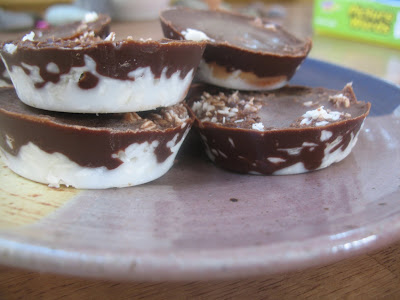
“Mounds” Candy Bars
Makes 12 Large
1 1/3 cup unsweetened coconut flakes
1/2 cup of coconut oil
1/4 cup of honey (raw is nice)
1 teaspoon almond extract
36 almonds, left whole or chopped (your choice)
1-Melt the coconut oil and honey over low heat until just melted. Whisk to combine. Add the almond extract and coconut flakes.
2-Now take out your muffin tins (you will need a 12 compartment muffin tin). In each compartment, place three almonds, or divide the chopped almonds) Then, divide the coconut mixture, making sure you get an even mixture of coconut flakes and coconut oil. Place in a freezer (make sure it’s on a flat surface), and freeze until hard (about 30 minutes).

Now it’s time for the chocolate! You will need:
3/4 cup cocoa powder (not dutch cocoa)
1/4 cup of honey (I used a scant 1/4 of a cup)
1 cup coconut oil
1 tablespoon vanilla extract
3-Combine these ingredients in a 2 cup glass measuring glass and place in a pot of simmering water. Heat until everything is just melted, and remove from heat. Either whisk briskly, or use a hand blender to combine well (the hand blender is the easiest way to do this).
4-Take out the frozen coconut flakes mixture, and divide your chocolate mixture over it (about two tablespoons per muffin compartment).

5-Put back into your freezer, and freeze until hard (again, about 30 minutes). To get them out, simply slide a butter knife down one side, and pop it out. This is very easy to do, as long as you do it directly from your freezer.
Enjoy!
Thanks to the Nourishing Gourmet for this great healthy alternative to candy bars, which includes healthy coconut and coconut oil, and no sugar, just a small amount of raw honey. Really Yummy!

“Mounds” Candy Bars
Makes 12 Large
1 1/3 cup unsweetened coconut flakes
1/2 cup of coconut oil
1/4 cup of honey (raw is nice)
1 teaspoon almond extract
36 almonds, left whole or chopped (your choice)
1-Melt the coconut oil and honey over low heat until just melted. Whisk to combine. Add the almond extract and coconut flakes.
2-Now take out your muffin tins (you will need a 12 compartment muffin tin). In each compartment, place three almonds, or divide the chopped almonds) Then, divide the coconut mixture, making sure you get an even mixture of coconut flakes and coconut oil. Place in a freezer (make sure it’s on a flat surface), and freeze until hard (about 30 minutes).

Now it’s time for the chocolate! You will need:
3/4 cup cocoa powder (not dutch cocoa)
1/4 cup of honey (I used a scant 1/4 of a cup)
1 cup coconut oil
1 tablespoon vanilla extract
3-Combine these ingredients in a 2 cup glass measuring glass and place in a pot of simmering water. Heat until everything is just melted, and remove from heat. Either whisk briskly, or use a hand blender to combine well (the hand blender is the easiest way to do this).
4-Take out the frozen coconut flakes mixture, and divide your chocolate mixture over it (about two tablespoons per muffin compartment).

5-Put back into your freezer, and freeze until hard (again, about 30 minutes). To get them out, simply slide a butter knife down one side, and pop it out. This is very easy to do, as long as you do it directly from your freezer.
Enjoy!
Tuesday, December 28, 2010
Kids in the Kitchen - Healthy Peanut Butter Cups
Happy Holidays everyone!
I wanted to make a healthy candy for a Christmas gift and I found a great recipe from the Nourishing Gourmet. These are really easy and made with basic nutritious ingredients you probably already have on hand. They include coconut oil, which may be new to you, but is one of my favorites for flavor and nutrition. I will have a post soon on the benefits of coconut oil!
These are also something the kids will enjoy helping with. When my granddaughter visited, she had fun making them with me and thought they were great.
Here is the recipe I used, adapted from The Nourishing Gourmet:

Homemade, Healthier Peanut Butter Cups
If you use another nut butter, you may need to add more honey. Peanuts are naturally sweet. For that matter, this is definitely a “to your own taste” recipe! And you can easily adjust the sweetener to satisfy you.
2-Drop by the heaping teaspoon into mini cupcake pans. Place in freezer.
3-Chop chocolate into small pieces and place in the top of a double broiler (or, like I do, in a heat proof bowl that fits on top of a pot you have). Mix in the honey. Bring about two inches of water to a boil in the pot and place the bowl on top. Watch the chocolate carefully so that it doesn’t burn, stirring gently while the chocolate melts. When there are just a few chunks left in the chocolate, take off of the heat and allow it to melt completely.
4-Drop by the teaspoon over the peanut butter mixture and place back into the freezer. Freeze for 20 minutes. Take out, and using a butter knife pop them out. Keep in the freezer or refrigerator and enjoy!
*To toast the nuts, place in a dry pan over medium-high heat. Stir almost continually until they are starting to brown. Take off of the heat.
*Use honey to sweeten to your taste.
I wanted to make a healthy candy for a Christmas gift and I found a great recipe from the Nourishing Gourmet. These are really easy and made with basic nutritious ingredients you probably already have on hand. They include coconut oil, which may be new to you, but is one of my favorites for flavor and nutrition. I will have a post soon on the benefits of coconut oil!
These are also something the kids will enjoy helping with. When my granddaughter visited, she had fun making them with me and thought they were great.
Here is the recipe I used, adapted from The Nourishing Gourmet:
Homemade, Healthier Peanut Butter Cups
Homemade, Healthier Peanut Butter Cups
If you use another nut butter, you may need to add more honey. Peanuts are naturally sweet. For that matter, this is definitely a “to your own taste” recipe! And you can easily adjust the sweetener to satisfy you.
- 1st Layer:
- 3/4 cup of peanut butter (or use nut butter of your choice)
- 2 tablespoons honey
- 1 teaspoon vanilla (if you are making this gluten free, make sure to use gluten free vanilla)
- 1/4 cup of coconut oil
- 1/3 cup of chopped and toasted nuts, walnuts, almonds, or seeds
- 2nd Layer:
- 4 ounces of unsweetened chocolate
- 2-4 tablespoons honey *
2-Drop by the heaping teaspoon into mini cupcake pans. Place in freezer.
3-Chop chocolate into small pieces and place in the top of a double broiler (or, like I do, in a heat proof bowl that fits on top of a pot you have). Mix in the honey. Bring about two inches of water to a boil in the pot and place the bowl on top. Watch the chocolate carefully so that it doesn’t burn, stirring gently while the chocolate melts. When there are just a few chunks left in the chocolate, take off of the heat and allow it to melt completely.
4-Drop by the teaspoon over the peanut butter mixture and place back into the freezer. Freeze for 20 minutes. Take out, and using a butter knife pop them out. Keep in the freezer or refrigerator and enjoy!
*To toast the nuts, place in a dry pan over medium-high heat. Stir almost continually until they are starting to brown. Take off of the heat.
*Use honey to sweeten to your taste.
Wednesday, December 1, 2010
Creamy Cannelini Bean & Kale Soup
We had this soup for dinner tonight and it was very tasty and filling, the perfect dinner for a snowy cold day like today! The kale is a great texture with the soft beans, and the spices are just right.
I soaked the beans overnight and then cooked them on low in the slow cooker today. When I got home, it only took about 15 minutes to finish putting the soup together, and dinner was served.

This recipe is from www.andreabeaman.com, with minor adaptations.
I soaked the beans overnight and then cooked them on low in the slow cooker today. When I got home, it only took about 15 minutes to finish putting the soup together, and dinner was served.
Creamy Cannelini Beans and Kale Soup
- 1 1/2 cups cannelini beans, soaked overnight
- 3 cups water
- 2 bay leaves
- 1 tsp. sea salt
- 2 tbsp. olive oil
- 1 onion, peeled and diced
- 3 garlic cloves, peeled and minced
- 4-5 kale leaves, chopped
- 4 cups water, vegetable or chicken stock
- 1/4 tsp. dried rosemary
- 1 tsp. dried thyme
- Sea salt and black pepper (to taste)
This recipe is from www.andreabeaman.com, with minor adaptations.
Sunday, November 28, 2010
You Are Probably NOT Getting Enough of This Vitamin
What vitamin do we need in amounts up to 25 times higher than the government recommends, for us to be healthy?
What vitamin deficiency affects over half of the population, is almost never diagnosed, and has been linked to many cancers, high blood pressure, heart disease, diabetes, depression, fibromyalgia, chronic muscle pain, bone loss, and autoimmune diseases like multiple sclerosis?
What vitamin is almost totally absent from our food supply?
What vitamin is the hidden cause of so much suffering that is so easy to treat?
If you guessed vitamin D, you're right!
Here is what several doctors have to say about this crucial vitamin:
Here is what several doctors have to say about this crucial vitamin:
Because vitamin D is so cheap and so clearly reduces all-cause mortality, I can say this with great certainty: Vitamin D represents the single most cost-effective medical intervention in the United States.
- Dr. Greg Plotnikoff, Medical Director, Penny George Institute for Health and Healing, Abbott Northwestern Hospital in Minneapolis.
I believe [vitamin D] is the number one public health advance in medicine in the last twenty years.
- Dr. John Whitcomb, Aurora Sinai Medical Center.
I would challenge anyone to find an area or nutrient or any factor that has such consistent anti-cancer benefits as vitamin D. The data are really quite remarkable.
-Dr. Edward Giovannucci, Vitamin D expert.
In all my many years of practice of medicine, I've never seen one vitamin, even vitamin C, have such profound effects on human health.
15 Facts You Probably Never Knew About Vitamin D and Sunlight Exposure
- Soram Khalsa MD
15 Facts You Probably Never Knew About Vitamin D and Sunlight Exposure
Vitamin D is perhaps the single most underrated nutrient in the world of nutrition. That’s probably because it’s free; your body makes it when sunlight touches your skin. Truth is, most people don’t know the real story on vitamin D and health.
- Vitamin D is produced by your skin in response to exposure to ultraviolet radiation from natural sunlight.
- The healing rays of natural sunlight that generate vitamin D in your skin cannot penetrate glass. So you don’t generate vitamin D when sitting in your car or home.
- It is nearly impossible to get adequate amounts of vitamin D from your diet. Sunlight exposure is the only reliable way to generate vitamin D in your own body. Our bodies can produce vitamin D on their own when exposed to sunlight but the skin must be free of sunscreen, sun blocks and clothing, which all interfere with the process.
- A person would have to drink 10 tall glasses of vitamin D fortified milk each day just to get minimum levels of vitamin D into their diet.
- The farther you live from the equator, the longer the exposure you need to the sun in order to generate vitamin D. Canada, the UK and most US states are far from the equator.
- People with dark skin pigmentation may need 20 to 30 times as much exposure to sunlight as fair-skinned people to generate the same amount of vitamin D. This is why prostate cancer is epidemic among black men—it is a simple but widespread sunlight deficiency.
- Sufficient levels of vitamin D are crucial for calcium absorption in your intestines. Without sufficient vitamin D, your body cannot absorb calcium, rendering calcium supplements useless.
- Chronic vitamin D deficiency cannot be reversed overnight; it takes months of vitamin D supplementation and sunlight exposure to rebuild the body’s bones and nervous system.
- Even weak sunscreens (SPF 8) block your body’s ability to generate vitamin D by 95%. Sunscreen products can actually cause disease by creating a critical vitamin deficiency in the body.
- It is impossible to generate too much vitamin D in your body from sunlight exposure: your body will self-regulate and only generate what it needs.
- If it hurts to press firmly on your sternum, you may be suffering from chronic vitamin D deficiency right now.
- Vitamin D is activated in your body by your kidneys and liver before it can be used.
- Having kidney disease or liver damage can greatly impair your body’s ability to activate circulating vitamin D.
- Even though vitamin D is one of the most powerful healing chemicals in your body, your body makes it absolutely free. No prescription required.
Sunday, November 14, 2010

 (canned whole pumpkin will work also)

 (or see tips below)


There is no Junk Food. There is Food and there is Junk.
Case in point: I just recently heard about the article by Karen Hanrahan back in 2008. It's about a 12 year old McDonalds hamburger that looks virtually like it did when it was purchased. Karen says in her post:
"This is a hamburger from McDonalds that I purchased in 1996. That was 12 years ago. Note that it looks exactly like it did the very day I bought it. The flecks on the burger are crumbs from the bun. The burger is starting to crumble a bit. It has the oddest smell."
Here is her picture:

So, is this food, junk food, or a chemical concoction made to look like food? I'll leave you to your own interpretation.
By definition, food is "any nourishing substance that is eaten, drunk, or otherwise taken into the body to sustain life, provide energy, promote growth, etc." (from dictionary.com). This burger seems to be anti-food in my mind, as I do not see how it could do any of those things. In fact, I'm quite sure the body considers it an unnatural substance and has a hard time dealing with it.
If you have watched the movie "Super Size Me", you can see what a steady diet of this anti-food can do and its not pretty! In fact, its potentially dangerous. My point with this is, that there is food (whole/unaltered/natural) that the body knows what to do with, and there is anti-food (altered/manufactured/processed) that is a foreign substance. It takes a lot of your body's energy to deal with this anti-food which is providing little to no nutrition.
You have a choice in how you feed your body. Choose what will sustain life, provide energy, and promote growth. I will be speaking a lot about whole foods and my recipes consist of whole food ingredients that are easy to prepare and taste great! Stay tuned.
"This is a hamburger from McDonalds that I purchased in 1996. That was 12 years ago. Note that it looks exactly like it did the very day I bought it. The flecks on the burger are crumbs from the bun. The burger is starting to crumble a bit. It has the oddest smell."
Here is her picture:

So, is this food, junk food, or a chemical concoction made to look like food? I'll leave you to your own interpretation.
By definition, food is "any nourishing substance that is eaten, drunk, or otherwise taken into the body to sustain life, provide energy, promote growth, etc." (from dictionary.com). This burger seems to be anti-food in my mind, as I do not see how it could do any of those things. In fact, I'm quite sure the body considers it an unnatural substance and has a hard time dealing with it.
If you have watched the movie "Super Size Me", you can see what a steady diet of this anti-food can do and its not pretty! In fact, its potentially dangerous. My point with this is, that there is food (whole/unaltered/natural) that the body knows what to do with, and there is anti-food (altered/manufactured/processed) that is a foreign substance. It takes a lot of your body's energy to deal with this anti-food which is providing little to no nutrition.
You have a choice in how you feed your body. Choose what will sustain life, provide energy, and promote growth. I will be speaking a lot about whole foods and my recipes consist of whole food ingredients that are easy to prepare and taste great! Stay tuned.
Spicy Pumpkin Soup

Truly, the first time you see a pumpkin patch each fall, dotted with bright orange orbs of all sizes, aren't you just a little giddy? Our fall season is enriched in many ways because of the pumpkin.
Following the Fun Facts and the Nutrition Profile, you will find a fabulous recipe for Spicy Pumpkin Soup. I think you will love it and it is so easy. Try it out!
Fun Facts
Other common names for pumpkins are Field Pumpkin and Vegetable Mallow. Pumpkin seeds are also known as pepitas. Pumpkin flowers are edible. According to Wikipedia, canned pumpkin is often recommended by veterinarians as a dietary supplement for dogs and cats that are experiencing digestive problems. The high fiber content helps to aid proper digestion. Raw pumpkin can be fed to poultry, as a supplement to regular feed, during the winter to help maintain egg production, which usually drops off during the cold months. Pumpkin for pet health. I love it! Pumpkins are an iconic symbol of the bounty of harvest. They are native to the Western Hemisphere, it is believed. In Colonial days, the pumpkin, or pompion as it was called, was an important food source and was crucial to survival through the hungry winter months.
Pumpkins and squashes of all sorts could be baked or roasted whole in the fire, cut up and boiled, or added to soup. Did you know that if you pour milk in a hollowed out pumpkin and bake it, you will get pumpkin pudding. I haven't tried it yet, but I intend to!
An eighteenth-century pumpkin by Joseph Plenck.
Pumpkins are also very prominent in folklore and fiction. Think of jack-o-lanterns, the Great Pumpkin, Cinderella's carriage, the headless horseman in Sleepy Hollow, etc.
- "There are three things I have learned never to discuss with people: religion, politics, and the Great Pumpkin." -- Linus van Pelt in It's the Great Pumpkin, Charlie Brown


Sunday, November 7, 2010
Skin Deep - A Guide to Safe Cosmetics from EWG

Skin Deep is a safety guide to cosmetics and personal care products, brought to you by researchers at the Environmental Working Group. You can search the site by product, ingredient or company. Find out exactly what is in your skin care products. You may be surprised! As unbelievable as it may seem, personal care products aren't required to be tested for safety. I think we should be as careful about what we put on our skin as we are about what foods we choose to eat.
You can also print a Shopper's Guide to safe cosmetics here, and learn more about The Safe Cosmetics Act of 2010.
http://www.cosmeticsdatabase.com/
Tuesday, October 26, 2010
Kids in the Kitchen - Crunchy Kale Chips

I had the privilege of spending the day with my two grandchildren recently and we made our own veggie chips. With just three ingredients, and about 20 minutes, we made a healthy, tasty, crunchy treat. Evyn, at the right, is showing us the Curly Green Kale we used that day, but any kale will work. Here is the simple recipe:
Kale Veggie Chips
1 Bunch Kale
2 Tsp Extra Virgin Olive Oil
1 Tsp Sea Salt
Wash the kale and strip the greens off the middle stalk. Tear them into pieces and put in a bowl (it might make two bowls full - ours did).
Drizzle the olive oil over the kale and sprinkle with sea salt. Massage the oil and salt into the leaves for a couple minutes, until all pieces are nice and shiny.

Then just place the pieces on a cookies pan in a single layer. You will need a couple cookie pans because you don't want to overlap the pieces.
Kaeden is doing a great job laying out his kale pieces.
Now just bake in the oven for 15 minutes at 350 degrees. They should be crispy but not starting to burn.
Let them cool and then.........

.................ENJOY!
Thanks Evyn and Kaeden. You are great
"Kids in the Kitchen"
P.S. Adults love these as much as kids!
Sunday, October 24, 2010
Saturday, October 23, 2010
View My Newsletters - "Healthy Lifestyle Solutions"

Here is a link to my newsletter, "Healthy Lifestyle Solutions". You can access my current and previous newsletters here.
Healthy Lifestyle Solutions Newsletters
Thursday, October 21, 2010
What's in Your Green Smoothie Today?

I think green smoothies are a great way to start the day and give you the energy needed to make it through the morning. This morning my green smoothie is one of my favorites and its so super simple.
Put into your blender a handful of spinach and of kale (large stem removed), 1 cup of blueberries, and a cup of almond or coconut milk (unsweetened), 1 cup of water. Blend till smooth. This makes one serving.
If you like less sweet smoothies like I do, this one is perfect. If you like more sweetness, add another fruit, like half of a banana, strawberries, or apple. If you don't have almond milk, you can use another milk, water, coconut water, juice or a combination of liquids. You can also add in some superfoods like blue-green algae, bee pollen, goji berries, cordyceps, etc. Try different combinations and you will come up with your favorites! I will be posting more smoothie recipes too, so stay tuned.
Here's to an energetic day!
PS. This smoothie is purple in color from the blueberries. Green refers to the greens inside!
Sunday, October 10, 2010
Yummy Oatmeal Pancakes - No White Flour or Sugar!

Here is my favorite pancake recipe.
These are the best pancakes ever, and they have no flour or sugar!
Oatmeal Pancakes Ingredients:
1 cup milk, almond milk (or water)*
3/4 cup oatmeal (uncooked regular oats)
3/4 cup oatmeal flour (blend oatmeal in blender till flour-like)
1 tsp baking powder (optional)
1/4 tsp salt (optional)
4 large egg whites
1/2 tsp cinnamon, ground
Try these modifications:
Blueberry pancakes: Add ¼ c blueberries (fresh or thawed) to recipe and omit cinnamon
Oat-Nut pancakes: Add 1 ½ tbsp diced pecans, walnuts, or almonds to recipe.
Whole Grain pancakes: Replace quick oats with hot multigrain cereal. Prepare as directed.
High protein pancakes: Add 1-2 scoops vanilla protein to batter, increase water.
Directions:
Heat milk (or water) until hot, stir in oats and set aside. Beat egg whites into a stiff foam with hand mixer or blender and reserve. Mix remaining dry ingredients together and stir in oatmeal/milk mixture. Fold in egg whites until mixture is well blended. Use a little olive or coconut oil, or butter, and cook pancakes until golden browned on both sides.
*Depending on how long you've let the oats sit, you may need to add a little extra water to the batter to thin it out. It will still be thicker than regular pancake batter
Saturday, October 9, 2010
Healthy Home Tips Halloween Tips | Environmental Working Group

Tips to Green Your Halloween
Dressing up and celebrating Halloween can be fun -- especially for kids. It's easy to make it a healthy holiday for your family and the environment. Just follow these simple steps (download the PDF here) to green your Halloween routine:Healthy Home Tips Halloween Tips | Environmental Working Group
Wednesday, October 6, 2010
Anti-cancer properties of watercress

Watercress is a super-duper food. Along with kale, collards, mustard greens, and turnip greens, watercress holds the highest ANDI score of 1000. Most importantly, watercress is a specialist at preventing cancer.
Read more here:
Anti-cancer properties of watercress
Wednesday, September 29, 2010
Non-GMO Shopping Guide

If you would like to know more about GMO foods, and why we should avoid them, here is a great website. They have a downloadable Shopping Guide for Non-GMO Foods as well as great information on GMOs and their hazards to our health.
Why Should I Avoid GMOs4 Simple Tips to Avoiding GMOs:
| 1. Buy Organic - Certified organic products cannot intentionally include any GMO ingredients | ||||||
| 2. Look for "Non-GMO Project" verified seals | ||||||
| 3. Avoid At-Risk Ingredients including Corn, Soybeans, Canola, Cottonseed | ||||||
| 4. Buy Products Listed in our Shopping Guide... read more |
If you have a baby see this page for non-gmo baby food and infant formula. The brands featured there are enrolled in the the Non-GMO Project Standard. For more information please click here.
From their website:
The American Academy of Environmental Medicine (AAEM) recently released its position paper on Genetically Modified foods stating that "... GM foods pose a serious health risk". The AAEM called for a moratorium on GM food, with implementation of immediate long-term safety testing and labeling of GM food. The AAEM is just one of many organizations worldwide calling for these steps to be taken.

Subscribe to:
Posts (Atom)